リスニング問題
録音を聞いて、空欄をうめましょう。解答は空欄に白い字で書かれています。空欄にカーソルを合わせて範囲を選択すると、解答が見られるようになっています。
ろくおんを きいて、くうらんを うめましょう。かいとうは くうらんに しろい じで かかれて います。くうらんに カーソルを あわせて はんいを せんたくすると、かいとうが みられる ように なって います。
Listen to the recording and fill in the blanks. The answers are written in white text in the blanks. You can see the answers by hovering over the blank and selecting the area.
↓Audio Recording↓
⭐︎⭐︎⭐︎『本文』⭐︎⭐︎⭐︎
『日本のクリスマス』
① 日本ではクリスマスは(祝日)ではありません。
② しかし、冬の(大きなイベントの一つ)です。
③ 日本人にとってクリスマスは、(宗教的な行事)というより、(友達や家族、恋人と楽しむ日)というイメージが強いです。
④ そして 日本人はクリスマスよりもクリスマスイブを(祝う傾向)があります。
⑤ 若い人は、恋人とレストランで(食事をしたり)、イルミネーションを見に行ったりする(傾向)があります。
⑥ (子供がいる家庭)では、家でホームパーティーをして、ケーキや料理を食べる(傾向)があります。
⑦ また、 日本人はクリスマスに(フライドチキン)を食べる(傾向)があります。
⑧ 特に(子供のいる家庭)では、ケンタッキーフライドチキンの「クリスマスバーレル」を(予約して)買う(傾向)があります。
⑨ これは、1970年代に日本のケンタッキーフライドチキンが「クリスマスにはケンタッキー」という(キャンペーンをしたことがきっかけ)だと言われています。
⑩ その(広告の影響)で、多くの日本人は「クリスマス=フライドチキン」と(考える傾向)があります。
⑪ また、そこら中でワムの「ラストクリスマス」を(流す傾向)があります。
⑫ その一方で、日本人はお正月は家族で(静かに過ごす傾向)があります。
⑬ クリスマスの(過ごし方)にはいろいろなスタイルがあります。
⑭ でも、(残念ながら)、クリスマスの(正確な意味を理解している人)は少ないです。
かんじ なし バージョン:
⭐︎⭐︎⭐︎『ほんぶん』⭐︎⭐︎⭐︎
『にほん の クリスマス』
① にほん で は クリスマス は(しゅくじつ)で は ありません。
② しかし、ふゆ の(おおきな イベント の ひとつ)です。
③ にほんじん に とって クリスマス は、(しゅうきょうてき な ぎょうじ)という より、(ともだち や かぞく、こいびと と たのしむ ひ)という イメージ が つよい です。
④ そして にほんじん は クリスマス より も クリスマスイブ を(いわう けいこう)が あります。
⑤ わかい ひと は、こいびと と レストラン で(しょくじ を したり)、イルミネーション を みに いったり する(けいこう)が あります。
⑥ (こども が いる かてい)で は、いえ で ホームパーティー を して、ケーキ や りょうり を たべる(けいこう)が あります。
⑦ また、にほんじん は クリスマス に(フライドチキン)を たべる(けいこう)が あります。
⑧ とくに(こども の いる かてい)で は、ケンタッキーフライドチキン の「クリスマスバーレル」を(よやくして)かう(けいこう)が あります。
⑨ これ は、1970ねんだい に にほん の ケンタッキーフライドチキン が「クリスマス に は ケンタッキー」と いう(キャンペーン を した こと が きっかけ)だ と いわれて います。
⑩ その(こうこく の えいきょう)で、おおく の にほんじん は「クリスマス=フライドチキン」と(かんがえる けいこう)が あります。
⑪ また、そこらじゅう で ワム の「ラストクリスマス」を(ながす けいこう)が あります。
⑫ その いっぽう で、にほんじん は おしょうがつ は かぞく で(しずか に すごす けいこう)が あります。
⑬ クリスマス の(すごし かた)に は いろいろ な スタイル が あります。
⑭ でも、(ざんねん ながら)、クリスマス の(せいかく な いみ を りかいして いる ひと)は すくない です。
English Translation:
Christmas in Japan
① In Japan, Christmas is not a public holiday.
② Even so, it is one of the major events of the winter season.
③ For most Japanese people, Christmas is seen less as a religious event and more as a day to enjoy with friends, family, or a romantic partner.
④ Japanese people also tend to celebrate Christmas Eve more than Christmas Day itself.
⑤ Young people tend to go out for dinner with their boyfriend or girlfriend, or go to see the Christmas illuminations.
⑥ Families with children tend to have a party at home and eat cake and other dishes.
⑦ Japanese people also have a tendency to eat fried chicken at Christmas.
⑧ In particular, families with children often reserve and buy KFC’s “Christmas Barrel.”
⑨ It is said that this custom started with a campaign in the 1970s by KFC Japan called “Kentucky for Christmas.”
⑩ Because of that advertising, many Japanese people now tend to think of Christmas as being equal to fried chicken.
⑪ You also tend to hear Wham!’s “Last Christmas” playing everywhere.
⑫ At the same time, Japanese people tend to spend New Year’s quietly at home with their families.
⑬ There are many different ways of spending Christmas in Japan.
⑭ Unfortunately, however, only a small number of people really understand the true meaning of Christmas.
⭐︎⭐︎⭐︎『単語/たんご・表現リスト/ひょうげん りすと(Words & Phrases)』⭐︎⭐︎⭐︎
祝日
しゅくじつ
public holiday
大きなイベントの一つ
おおきな イベント の ひとつ
one of the major events
宗教的な行事
しゅうきょうてき な ぎょうじ
religious event
友達や家族、恋人と楽しむ日
ともだち や かぞく、こいびと と たのしむ ひ
a day to enjoy with friends, family, or a romantic partner
〜というイメージが強いです。
〜という イメージ が つよい です。
people strongly picture it as ~ / it is strongly seen as ~
〜を祝う傾向があります。
〜を いわう けいこう が あります。
people tend to celebrate ~
食事をしたり〜する傾向があります。
しょくじ を したり 〜 する けいこう が あります。
they tend to have a meal and do things like ~
子供がいる家庭 / 子供のいる家庭
こども が いる かてい / こども の いる かてい
a family with children
ホームパーティー
home party
フライドチキン
fried chicken
予約して買う
よやくして かう
to reserve and buy
広告の影響
こうこく の えいきょう
the influence of advertising
〜と考える傾向があります。
〜と かんがえる けいこう が あります。
people tend to think that ~
そこら中で〜を流す傾向があります。
そこらじゅう で 〜 を ながす けいこう が あります。
there is a tendency to play ~(music) everywhere
静かに過ごす傾向があります。
しずか に すごす けいこう が あります。
people tend to spend (time) quietly
過ごし方
すごし かた
way of spending (time) / how to spend (a day)
残念ながら
ざんねん ながら
unfortunately
正確な意味を理解している人
せいかく な いみ を りかいして いる ひと
people who understand the true / exact meaning
〜は少ないです。
〜は すくない です。
there are not many ~
For additional exercises, please visit Short Japanese Reading with Audio (Intermediate Level): “Christmas in Japan” Additional Exercises .
★★★『2. 文法/ぶんぽう のまとめ (Grammar Summary)』★★★
⭐︎⭐︎⭐︎ぶんぽう の ようてん1 / Grammar Point 1⭐︎⭐︎⭐︎
『〜傾向があります』
『〜けいこうが あります』
there is a tendency to ~ / people tend to ~
Structure
Verb (dictionary form) + 傾向(けいこう)があります
Noun + の + 傾向(けいこう)があります
🔹例(れい) / Example 1(本文)
日本人はクリスマスよりもクリスマスイブを祝う傾向があります。
にほんじん は クリスマス より も クリスマスイブ を いわう けいこう が あります。
Japanese people tend to celebrate Christmas Eve more than Christmas Day.
🔹例(れい) / Example 2(本文)
子供がいる家庭では、家でホームパーティーをして、ケーキや料理を食べる傾向があります。
こども が いる かてい で は、いえ で ホームパーティー を して、ケーキ や りょうり を たべる けいこう が あります。
Families with children tend to have a home party and eat cake and other dishes.
🔹例(れい) / Example 3(本文)
日本人はクリスマスにフライドチキンを食べる傾向があります。
にほんじん は クリスマス に フライドチキン を たべる けいこう が あります。
Japanese people tend to eat fried chicken at Christmas.
⭐︎⭐︎⭐︎ぶんぽう の ようてん2 / Grammar Point 2⭐︎⭐︎⭐︎
『A というより B』
rather B than A / more B than A
Structure
A(Noun / Clause)+ という より、B(Noun / Clause)
🔹例(れい) / Example 1(本文)
日本人にとってクリスマスは、宗教的な行事というより、友達や家族、恋人と楽しむ日というイメージが強いです。
にほんじん に とって クリスマス は、しゅうきょうてき な ぎょうじ という より、ともだち や かぞく、こいびと と たのしむ ひ という イメージ が つよい です。
For Japanese people, Christmas is seen less as a religious event and more as a day to enjoy with friends, family, or a romantic partner.
🔹例(れい) / Example 2
あのレストランは「安い」というより、「コスパがいい」という感じです。
あの レストラン は「やすい」 という より、「コスパ が いい」と いう かんじ です。
That restaurant is not so much “cheap” as “good value for money.”
🔹例(れい) / Example 3
今日は寒いというより、むしろ涼しくて気持ちがいいです。
きょう は さむい という より、むしろ すずしくて きもち が いい です。
Today, it’s not so much cold as cool and pleasant.
⭐︎⭐︎⭐︎ぶんぽう の ようてん3 / Grammar Point 3⭐︎⭐︎⭐︎
『〜と言われています』
it is said that ~ / people say that ~
Structure
-Sentence (plain form) + と いわれて います。
-い adjective + と いわれて います。
-な adjective without な + だと いわれて います。
-Noun + だと いわれて います。
🔹例(れい) / Example 1(本文)
これは、1970年代に日本のケンタッキーフライドチキンが「クリスマスにはケンタッキー」というキャンペーンをしたことがきっかけだと言われています。
これ は、1970ねんだい に にほん の ケンタッキーフライドチキン が「クリスマス に は ケンタッキー」と いう キャンペーン を した こと が きっかけ だ と いわれて います。
It is said that this custom started when KFC Japan ran a “Kentucky for Christmas” campaign in the 1970s.
🔹例(れい) / Example 2
この神社は、1000年以上前に建てられたと言われています。
この じんじゃ は、1000ねん いじょう まえ に たてられた と いわれて います。
It is said that this shrine was built more than a thousand years ago.
🔹例(れい) / Example 3
日本の夏は年々暑くなってきていると言われています。
にほん の なつ は ねんねん あつく なって きて いる と いわれて います。
It is said that summers in Japan are getting hotter year by year.
A quick hello:
Thank you so much for visiting my blog! My name is Mitch, and I’m the author of this site. I’m a professional Japanese and English teacher on the online language platform italki , and on the side I also write ebooks. So, if you don’t mind, let me briefly introduce one of my Japanese textbooks for intermediate learners.
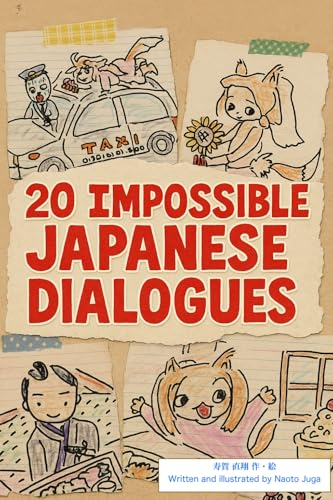
The book I’d like to share with you today is one of my personal favorites: “20 Impossible Japanese Dialogues.” It’s a Japanese textbook that contains 20 slightly crazy, witty conversations. While it covers high-frequency vocabulary, useful expressions, and grammar you’ll see all the time in real life, each dialogue is packed with playful jokes and a fun sense of humor.
The level is around JLPT N3 (intermediate), and the book is designed so that you can naturally build your Japanese through these joke-filled dialogues. Each chapter comes with multiple-choice questions, true/false questions, fill-in-the-blank exercises, a Word & Expression List with English meanings, grammar explanations, and even culture notes in the second half of the book.
On top of that, there’s a download bonus with audio recordings of all the dialogues, read by me. There is an ongoing story from Lesson 1 all the way to the final lesson, so you can enjoy following the storyline while steadily boosting your ability to express yourself in Japanese.
If you’re not a big fan of typical “drill” workbooks or dry practice sheets from the bookstore, but you do want to learn real, natural Japanese while genuinely having fun, this book is especially for you.
If you’d like to enjoy Japanese study + a story + lots of jokes all at the same time, please check out the Kindle version of “20 Impossible Japanese Dialogues” from the link below↓
Amazon in the US↓
Amazon in the UK↓
Amazon in Canada↓
https://www.amazon.ca/dp/B0F949F8M3
Amazon in Australia↓
Amazon in Japan↓